The Role of Seasoning in Great Jamaican Food
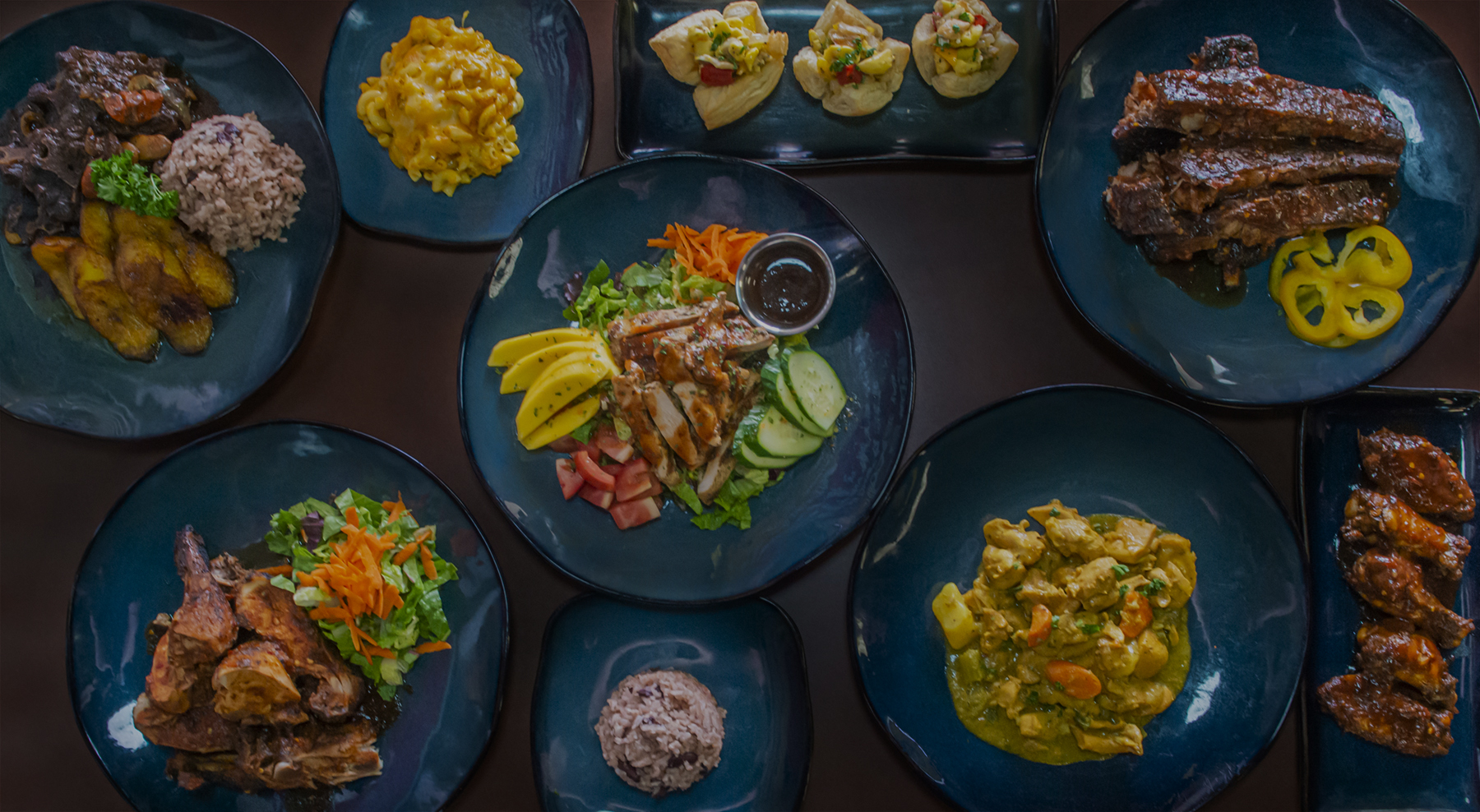

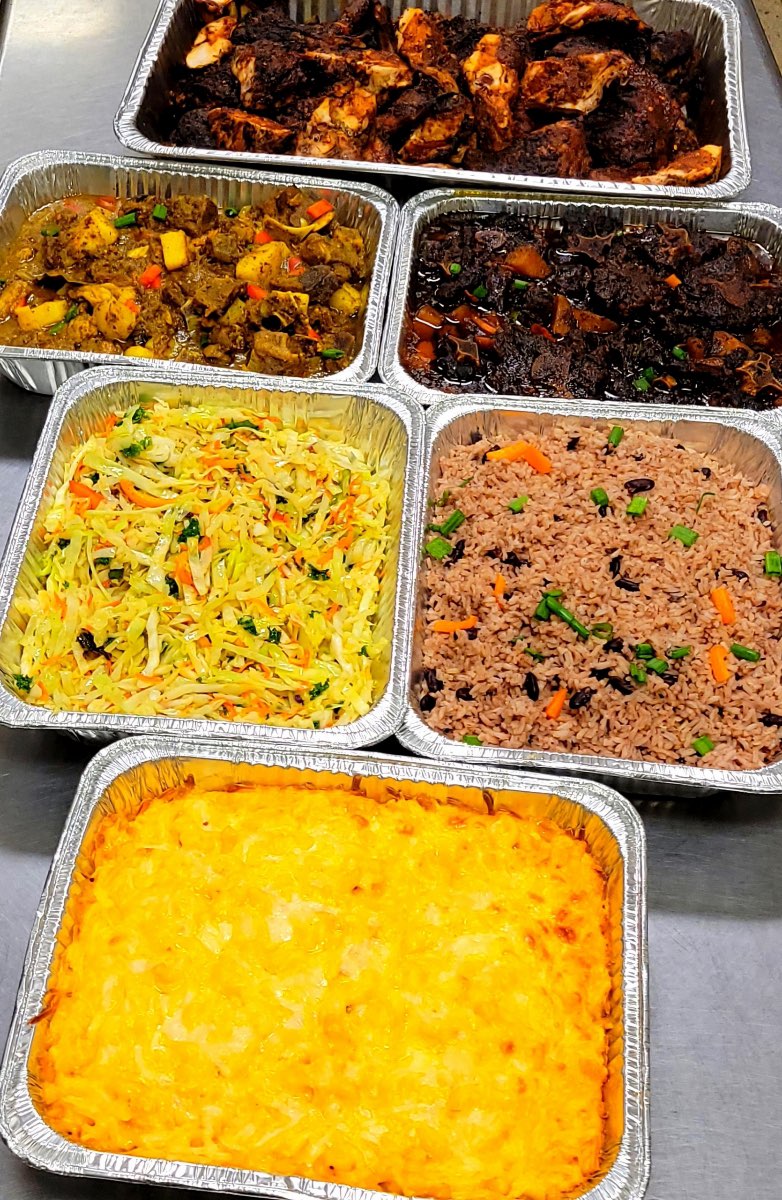
Ask a Jamaican cook what makes a dish memorable and the answer usually lands on seasoning before anything else. Not the heat alone, not the color, not even the cut of meat. Seasoning is where the character begins. It determines whether a pot of stew tastes flat or deep, whether a piece of fish feels merely cooked or fully alive, whether a plate of https://maps.app.goo.gl/LnpmYamy5BRY1Cs57 rice and peas supports the rest of the meal or quietly steals attention for itself.
That is one of the essential truths of jamaican food. Its best dishes are not defined by excess. They are defined by balance, layering, timing, and confidence. A well seasoned meal can be bold without being harsh. It can be aromatic without being perfumed. It can carry Scotch bonnet, allspice, thyme, scallion, garlic, onion, ginger, and pimento in the same dish, yet still taste clear and focused rather than crowded.
People unfamiliar with the cuisine sometimes reduce Jamaican cooking to spice level, usually because jerk is the first point of reference. That misses the larger craft. Heat matters, but seasoning in Jamaican kitchens is broader than heat and deeper than surface flavor. It is the careful use of fresh herbs, ground spices, cured ingredients, browning, salt, acidity, smoke, sweetness, and patience. It is also about knowing when to stop. Seasoning is not a contest. It is a form of judgment.
Seasoning is the backbone, not the garnish
In many cuisines, seasoning is discussed as the final adjustment. A pinch of salt at the end, a squeeze of citrus, some herbs over the top. Jamaican cooking certainly uses finishing touches, but the real work usually begins much earlier. Meat is often rubbed, marinated, or “seasoned up” well before it reaches the fire or the pot. The seasoning is expected to penetrate, not just coat.
That distinction matters. A curry goat that has only met curry powder in the pan will never taste like one that rested with green seasoning, onion, garlic, thyme, black pepper, and curry worked into the meat in advance. The same is true for brown stew chicken. When the chicken is washed, trimmed, seasoned, and left to absorb those aromatics, the flavor does not sit on the outside. It becomes part of the flesh, part of the gravy, part of the smell that fills the kitchen long before dinner is served.
This approach comes from practice as much as recipe. Many Jamaican cooks season by eye and by hand. They know what a bowl of chicken should smell like before it is ready for the pot. They know whether it needs more thyme for freshness, more all purpose seasoning for depth, more scallion for brightness, or a little extra black pepper to wake everything up. That sort of cooking cannot be reduced to tablespoons alone. It is sensory knowledge.
What “seasoning” means in a Jamaican kitchen
The word can confuse people because it covers several things at once. It may refer to fresh herbs and aromatics. It may refer to dry spice blends. It may refer to seasoned salt, all purpose seasoning, jerk seasoning, curry powder, or a wet green paste made from blended herbs and vegetables. Often it means all of them together.
A classic Jamaican seasoning base often includes scallion, thyme, onion, garlic, Scotch bonnet, and black pepper. Ginger appears often, especially with fish, chicken, and certain stews. Pimento, known elsewhere as allspice, is one of the pillars of the cuisine. Its flavor is warm, woody, slightly sweet, and unmistakably Jamaican. Once you learn to recognize it, you notice it everywhere, from jerk marinades to soups to escovitch preparations.
Then there are the ingredients that provide bass notes rather than bright top notes. Browning sauce gives dark stews part of their color and a hint of bittersweet complexity. Soy sauce, while not traditional in every household, is common in many modern home and restaurant kitchens for salt and savory depth. Ketchup sometimes appears in brown stew for sweetness and body. Coconut milk in rundown or certain bean dishes softens sharp edges and carries spice differently than water or stock would.
None of this works in isolation. Good seasoning is cumulative. A pinch here, a handful there, a little resting time, then another adjustment in the pot. Great cooks build flavor in stages.
The living importance of fresh herbs and aromatics
Dried spices have their place, but fresh ingredients are central to the soul of jamaican food. Scallion does not just add onion flavor. It contributes a grassy sharpness that is hard to replace. Thyme brings a clean, resinous note that runs through soups, stews, rice dishes, and marinades. Garlic adds force, onion adds sweetness and backbone, and Scotch bonnet contributes fruit as much as fire.
That fruitiness is one of the most misunderstood elements in Jamaican cooking. Scotch bonnet is hot, certainly, but it also has a distinct aroma that makes a dish feel complete. A soup with a whole Scotch bonnet floating intact in the pot often tastes different from one without it, even if the pepper is not split and the broth is not painfully hot. The pepper perfumes the liquid. The heat is only one part of the effect.
This is why substitutions sometimes disappoint. A habanero can stand in for Scotch bonnet in a practical sense, but the flavor profile shifts. Dried thyme can work if fresh is unavailable, yet the dish loses some lift. Powdered onion and garlic may carry a weekday meal, but they do not behave like the fresh versions in a marinade. Experienced cooks learn which compromises are acceptable and which ones flatten the food.
Jerk proves the point better than any other dish
No discussion of seasoning in Jamaican cooking can avoid jerk, though jerk is often oversimplified outside the island. Real jerk is not merely hot barbecue. It is a seasoning system rooted in preservation, smoke, and a very specific flavor architecture. Pimento and Scotch bonnet sit at the center, supported by thyme, scallion, ginger, garlic, and other spices depending on the cook.
The best jerk seasoning has tension in it. Heat pushes forward, pimento rounds it out, thyme keeps it green, scallion and onion provide moisture and bite, and a bit of sweetness helps the exterior caramelize over heat. When jerk is cooked traditionally over pimento wood, seasoning and smoke become inseparable. The smoke does not sit on top of the meat like an afterthought. It fuses with the marinade and deepens it.
There is also a practical lesson here. Jerk demands enough seasoning to stand up to fire. Meat cooked over open flame loses moisture, develops char, and encounters intense heat. If the marinade is timid, the result tastes bland under the burnished surface. If the seasoning is heavy handed with salt or pepper but thin in aromatic depth, the result is aggressive rather than satisfying. Good jerk tastes full, not just fierce.
Why timing matters as much as ingredient choice
One reason seasoned Jamaican dishes feel so complete is that flavor gets more than one chance to enter the food. Cooks often season meat before cooking, then reinforce the pot with fresh herbs, whole peppers, onion, tomato, or bell pepper as it simmers. A soup may begin with a seasoned piece of meat, then gain body from yam, pumpkin, cho cho, or dumplings, and finally receive another touch of thyme or scallion near the end.
Timing changes how each ingredient behaves. Garlic added too early can lose its edge. Thyme simmered for a long time gives a rounded herbal quality, while thyme added later smells fresher. Scotch bonnet cooked whole perfumes more gently than chopped pepper stirred in at the start. Curry powder benefits from “burning” or blooming in oil for a short time before liquid is added, otherwise it can taste dusty or raw.
These choices are not fussy details. They are the difference between food that tastes assembled and food that tastes integrated.
Salt has a bigger role than people admit
When people talk about seasoning, they often rush toward exotic spices and forget the foundation. Salt is the first test of a cook’s control. Jamaican dishes are frequently robust, but robust does not mean oversalted. It means properly salted at each stage, with awareness of what else is bringing salinity. A stock cube, a spoon of soy sauce, a salted fish component, and a dry seasoning blend can stack up quickly.
This is especially important in dishes that reduce for a while, like stew peas, oxtail, or brown stew chicken. What tastes right early on may become too strong after an hour of simmering. Skilled cooks account for that. They hold back where necessary. They taste again once the gravy thickens. They understand that seasoning is dynamic.
Salt also affects texture and moisture. A good marinade seasons the meat internally and helps it retain some juiciness during cooking. That matters whether the protein is chicken on a grill pan at home or pork over a proper jerk drum.
Pimento, the quiet signature
If one ingredient deserves more attention in conversations about Jamaican seasoning, it is pimento. Outside the Caribbean, allspice often gets treated as a baking spice, associated with cakes and holiday desserts. In Jamaican cooking it does far more than that. It is savory, aromatic, and foundational.
Pimento berries can be crushed into jerk marinades, dropped into soups, or used whole in braises. The leaves are useful too when available. Their fragrance is subtle but unmistakable. Without pimento, many dishes still taste good. They just do not quite taste Jamaican in the fullest sense.
That is a point worth stressing because authenticity is often reduced to spectacle. People look for the hottest pepper or the darkest grill marks. Meanwhile, the dish may be missing the spice that actually ties the flavor memory together. Pimento is one of those ingredients that rarely shouts, yet when it is absent the whole performance suffers.
The seasoning of fish demands restraint
Fish reveals a cook’s discipline. Heavy seasoning can overwhelm it, especially delicate fish. In Jamaican kitchens, fish is seasoned assertively but not carelessly. Escovitch fish, for example, depends on a sharp, bright contrast between fried fish and the pickled vegetables laid over it. The fish itself is often seasoned with salt, black pepper, sometimes garlic, and perhaps a little all purpose seasoning, but the main event includes vinegar, carrot, onion, Scotch bonnet, and pimento in the escovitch dressing.
Steam fish tells a different story. It leans on fresh herbs, pepper, onion, tomato, okra, and often a more delicate hand with dry spices. Here the seasoning needs to support the broth and the natural flavor of the fish rather than bury it. Add too much powdered seasoning and the dish can turn muddy. Hold back too much and it tastes watery.
This is where judgment becomes visible. The same cook who goes strong with jerk pork may be much gentler with snapper. That is not inconsistency. It is technique.
Ground provisions, beans, and rice carry seasoning differently
Seasoning is not only about meat. Some of the most revealing dishes in Jamaican cooking are the ones that depend on starches, vegetables, and legumes. Rice and peas is a good example. On paper it sounds simple, but anyone who has eaten a bland version next to a good one knows how dramatic the difference can be. Coconut milk, thyme, scallion, garlic, Scotch bonnet, salt, and proper bean liquor each matter. Get them right and the rice tastes fragrant and complete before any gravy touches the plate.
The same principle applies to callaloo, cabbage, pumpkin soup, and stew peas. Beans absorb flavor slowly and reward patience. Pumpkin loves thyme and black pepper. Callaloo needs enough seasoning to stand up to its mineral depth, but not so much that it turns harsh. Ground provisions like yam, green banana, and dumplings can seem plain on their own, yet in a seasoned soup they become carriers of broth, spice, and aroma.
That is another hallmark of jamaican food. Seasoning is rarely isolated to one star ingredient. It travels through the whole meal.
Common mistakes that flatten the food
A few patterns show up again and again when cooks miss the mark:
- relying on heat instead of depth
- using too many powdered seasonings without fresh herbs
- salting heavily at the start without accounting for reduction
- skipping marinating time for meats that need it
- adding every seasoning at once instead of in stages
These are fixable problems, and most of them come from impatience rather than lack of talent. A rushed curry can still be edible, but it will not have the roundness of one that was seasoned in advance and simmered until the spices settled in. Chicken that goes straight from package to pan with a shake of seasoning salt may brown nicely, yet it rarely develops the same character as chicken that has rested with thyme, scallion, onion, garlic, and pepper.
Seasoning blends are tools, not shortcuts to flavor
Prepared seasonings have a place in modern kitchens. Restaurants need consistency. Home cooks need convenience on weeknights. A solid jerk paste, curry blend, or all purpose seasoning can save time and still produce good food. The problem starts when packaged seasoning becomes a substitute for understanding flavor.
A blend cannot tell you whether your chicken needs acidity, whether your fish would benefit from more thyme than garlic, or whether your pot already has enough salt because the stock and soy sauce did most of the work. It cannot compensate for underbrowned meat or a gravy that never simmered long enough to come together.
The strongest cooks use blends selectively. They know what the blend contains and what it lacks. If a store bought jerk paste is heavy on salt but light on pimento, they add pimento. If a curry powder is mild and flat, they wake it up with fresh garlic, ginger, thyme, and a Scotch bonnet. Experience shows up in those small corrections.
Seasoning is also memory
There is a practical side to this subject, but there is also an emotional one. Seasoning is one of the ways family identity survives. Two cooks may both make brown stew chicken, yet one household leans a little sweeter, another a little darker from browning, another more herbal, another with extra black pepper. Sunday soup in one family may be rich with pumpkin and soft heat, while another pot pushes more pimento and scallion. Those differences matter because they are remembered at the level of smell and expectation.
Many people can identify home through seasoning before they can articulate it. The scent of thyme hitting hot liquid, the sweetness of sautéed onion under curry, the unmistakable arrival of Scotch bonnet in a simmering pot, these are not abstract flavor notes. They are signals. They tell you what kind of meal is coming and, often, whose meal it is.
That may be why poorly seasoned Jamaican food disappoints so sharply. The cuisine carries strong expectations. When the seasoning is right, the dishes feel generous, grounded, and complete. When it is wrong, no amount of presentation can hide it.
How experienced cooks think about balance
The best Jamaican cooks rarely chase one note. They taste for relationships. Is there enough freshness to lift the richness? Is the pepper fragrant or just punishing? Does the salt sharpen the dish or dominate it? Has the pimento been given room to speak? Will the rice support the stew, or compete with it?
A useful way to think about seasoning is to track what each element contributes:
- thyme and scallion for brightness and identity
- pimento for warmth and depth
- Scotch bonnet for heat and fruit
- onion and garlic for body
- salt and browning for structure and finish
Notice that none of these is sufficient on its own. Even in dishes that seem simple, the pleasure usually comes from overlap. A bite of curry goat with rice and peas tastes satisfying because the savory gravy, sweet coconut rice, thyme, pepper, and soft beans keep meeting each other from different angles. Good seasoning creates those intersections.
Great Jamaican food tastes deliberate
What separates decent Jamaican cooking from great Jamaican cooking is not mystery. It is deliberate seasoning. Deliberate does not mean rigid or formal. It means every addition has a reason. The marinade is not random. The pepper is not there to show off. The thyme is not decorative. The cook has thought about how flavor enters the food, how it changes with heat, and how it will read on the plate alongside everything else.
That is why so many iconic Jamaican dishes hold up across settings. A roadside jerk pan, a family Sunday dinner, a takeaway lunch spot, a hotel kitchen trying to do the food justice, all succeed or fail on seasoning before almost anything else. Expensive ingredients help less than people think. Fancy plating helps even less. A humble pot can produce extraordinary food if it is seasoned with care.
For anyone trying to understand jamaican food more deeply, start there. Pay attention to the herbal backbone, the role of pimento, the fruit in the heat, the patience in the marinade, the layering in the pot, and the confidence to stop before flavor becomes clutter. Once you taste seasoning as structure rather than decoration, the cuisine opens up in a different way. You stop asking only how spicy it is. You start noticing why it tastes like itself.
Reggae Pot Jamaican Grill
7562 S University Blvd C, Centennial, CO 80122
(303) 997-5623
FAQ About jamaican food
What is the best Jamaican food to try in Centennial?
The best choice depends on your preferences. Reggae Pot Jamaican Grill offers jerk chicken, curry goat, oxtail, and escovitch snapper, along with sides such as rice and peas and fried plantains. Ask the restaurant about current availability and spice levels before ordering.
Is Jamaican food very spicy in Centennial?
Heat varies by dish and preparation. Jerk dishes can be hot, while some stews and sides are milder. Tell the restaurant your preferred heat level and ask which options suit you.
What is typically on a Jamaican menu?
Common choices include jerk chicken, curries, oxtail, fish, patties, rice and peas, and plantains. Reggae Pot also lists ackee and saltfish and vegetable dishes. Menus and availability can change, so confirm your choices when ordering.